An area rug is not a small carpet. It has a backing that can crack, dyes that can run, and often a fringe that tangles, yellows, and tears if it is handled like the rest of the rug. In Indian Trail, the choice is usually between cleaning a rug where it lies and sending it out for a full wash, and the right answer depends on what the rug is made of and what is in it.
Cleaning in place is faster and works well for routine soil on sturdy rugs. Sending a rug out takes longer and involves moving furniture, but it is the only way to fully flush a rug front and back. Here is how to work out which side of that line your rug sits on.
Start with what the rug is made of
Machine-made synthetic rugs, the kind sold in most home stores, are the most forgiving. Their dyes are generally stable, their backings tolerate moisture, and most respond well to the same hot-water extraction used on installed carpet. Natural fibers ask for more care. Wool holds a large amount of water and can shrink or felt if it is over-wet or scrubbed hard. Silk and viscose are weaker still, and viscose in particular can yellow and stiffen after a wet cleaning done the wrong way.
Check the label on the back if there is one, and do a quick dye test before any wet work: dampen a white cloth, press it firmly into a hidden corner for a minute, and look for color transfer. Color on the cloth means the dyes move, and a rug with moving dyes should not be cleaned in place over a floor you care about.

Cleaning in place, done properly
- Vacuum both sides. Flip the rug and vacuum the back first, then roll it up, vacuum the floor, and vacuum the face. Loose grit under a rug grinds the backing every time someone walks across it.
- Test for dye movement. Use the damp white cloth test in a corner. Any color transfer stops the in-place plan and points to a professional wash with dye controls.
- Pre-treat spots lightly. Work on individual spots with a small amount of cleaner and blotting. Flooding a rug in place pushes soil and moisture into the pad or floor beneath it.
- Extract with low moisture. Use the lightest effective pass, and avoid soaking. A rug cleaned in place should feel only slightly damp, never wet through to the backing.
- Dry it raised and moving air. Prop the edges up or drape the rug so air reaches both sides. A rug left flat on a floor while damp can trap odor underneath and, on wood, trap moisture against the finish.
- Handle fringe by hand only. Comb fringe straight with your fingers and never vacuum over it with a beater bar, which pulls, frays, and can tear fringe from the rug body.
When a rug should leave the house
Send a rug out when the problem is through the whole rug rather than on it. Pet urine that has soaked in over months, a musty odor that survives surface cleaning, or grit you can hear crunching in the backing all call for a full immersion or flush wash that cannot be done on your living room floor. Antique, hand-knotted, and silk rugs belong in professional hands from the start, as do rugs whose backings are already cracked and shedding white powder.
There is also a floor argument. A rug sitting over hardwood in a humid Indian Trail summer can hold moisture against the wood after a wet cleaning, and a rug pad that has absorbed pet accidents often needs replacing rather than cleaning. Taking the rug out lets the floor dry, the pad get inspected, and the rug get dried flat under controlled airflow.
Where the professional line sits
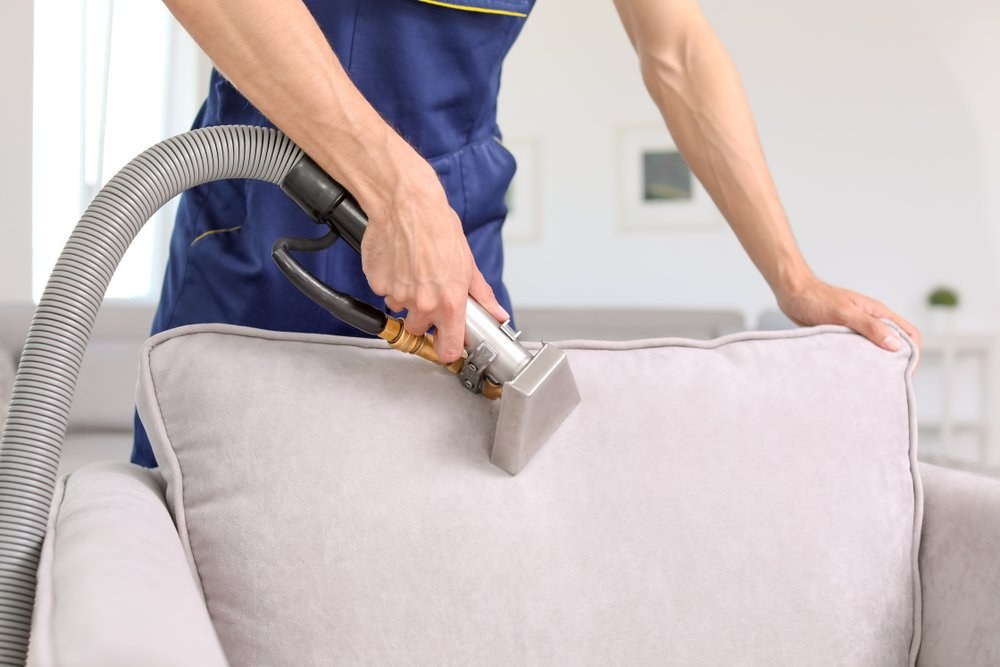
Routine maintenance on a sturdy synthetic rug is reasonable home work: vacuum well, blot spills fast, and extract lightly once or twice a year. Past that line are wool and natural-fiber rugs with dye concerns, any rug with a deep odor problem, and any rug valuable enough that a mistake would hurt. That is the point where the services listed by ABC Carpet Care, including upholstery cleaning and deep extraction, are worth using as a reference for what a given rug actually needs.
Common questions
How often should an area rug be deep cleaned?
A rug in a main living area typically needs a deep clean once a year, and more often with pets. Low-traffic rugs can go longer if they are vacuumed on both sides regularly.
Can a rug pad be cleaned instead of replaced?
Light soil vacuums out, but a pad that has absorbed pet urine usually holds odor permanently. Replacement is normally the practical answer in that case.
Why did my rug feel stiff after cleaning?
Stiffness usually means cleaner residue was left in the fibers or a sensitive fiber such as viscose was over-wet. A thorough rinse extraction often corrects the residue problem.
Photos in this guide are representative stock images.
← All guides from ABC Carpet Care← Back to ABC Carpet Care